





Your living room TV is also an internet-connected computer. That sounds obvious, but it is easy to forget: we worry about protecting our laptops while other devices run for years without anyone checking for updates. Research attributed to Anthropic puts that overlooked corner of the connected home under scrutiny.
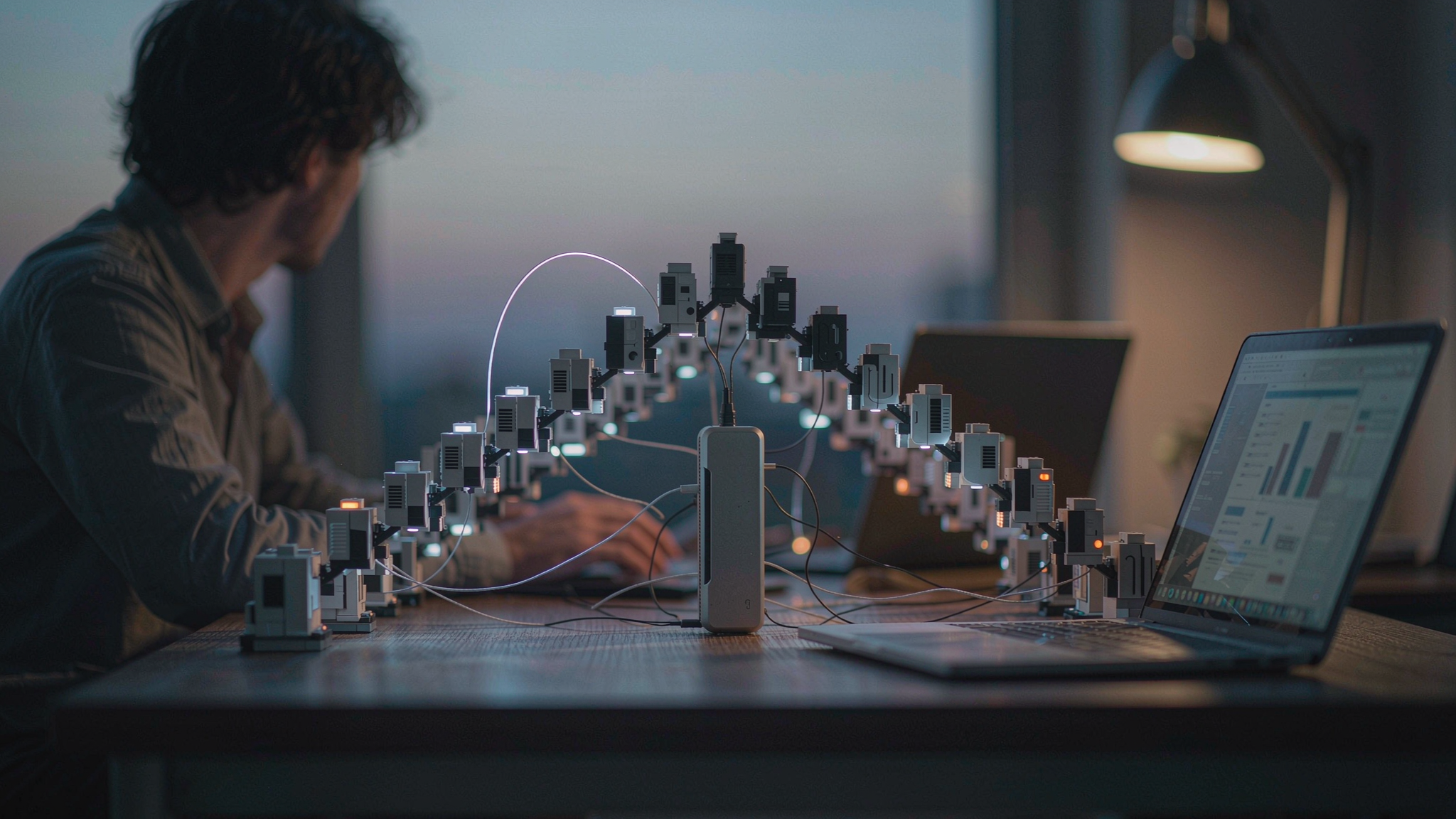
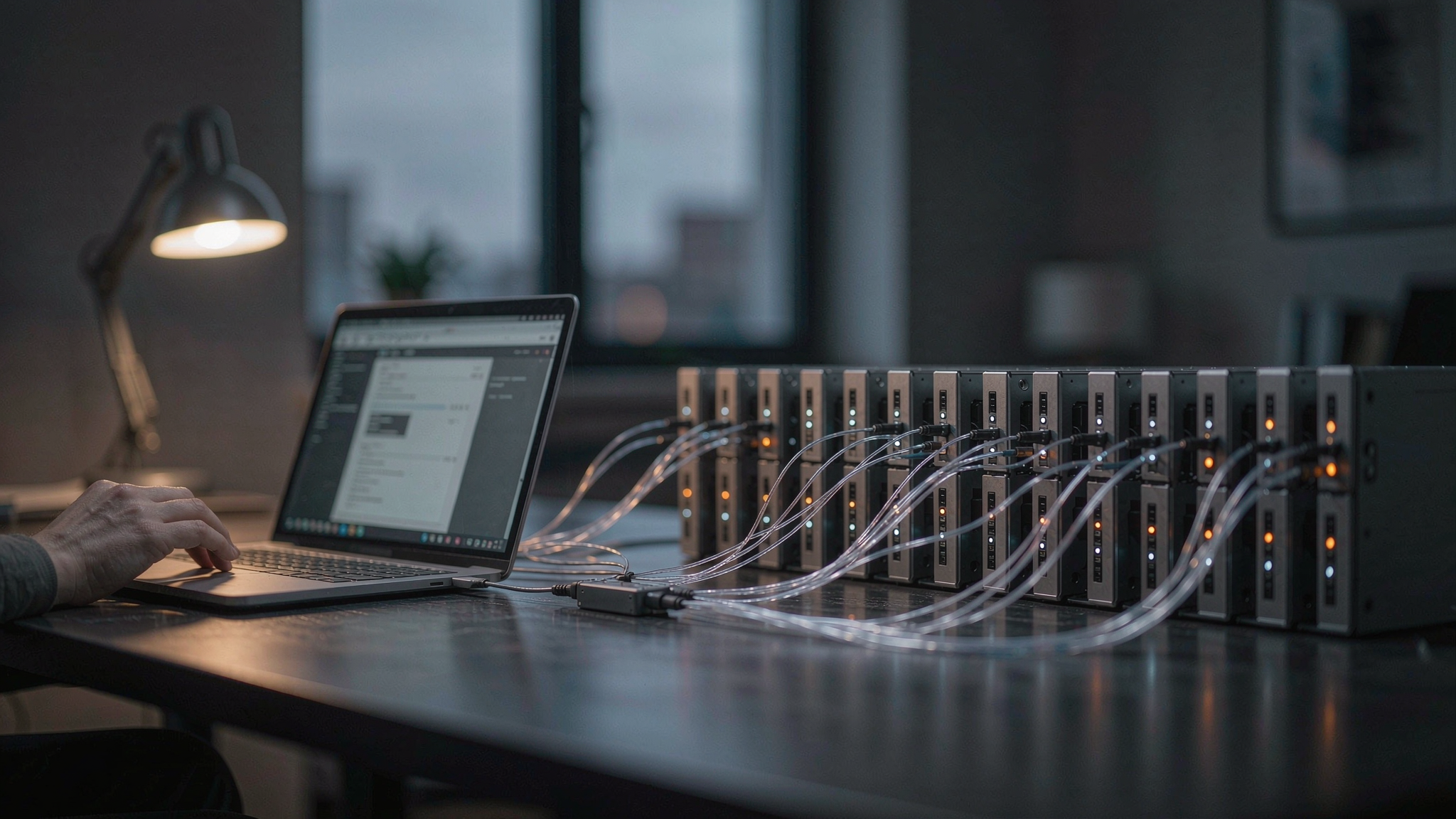
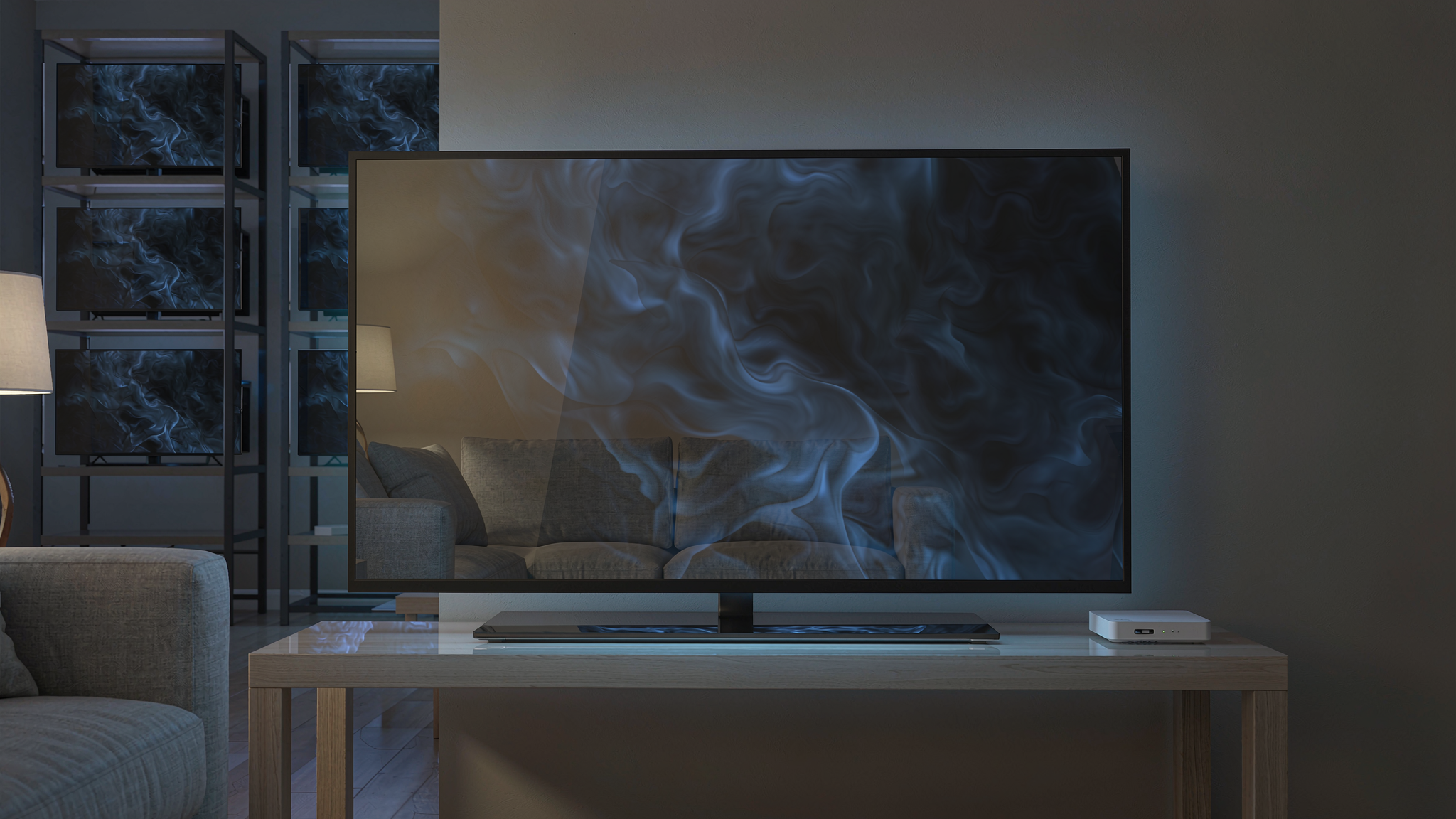
According to The Guardian, the company’s team responsible for investigating potentially dangerous uses of artificial intelligence created malicious software that spread autonomously between smart TVs. The most striking detail is that, according to the researchers cited, it could distribute parts of its operation across 15 televisions, drawing a small amount of computing power from each.
What is an AI worm, in plain English?
In cybersecurity, a worm is malicious software that can copy itself and move between devices without someone manually installing every copy. This is not a new category of threat: worms existed long before the current AI boom.
What makes this case notable is the combination of autonomous propagation and artificial intelligence, alongside the ability to distribute its operation across multiple devices. Those are separate capabilities: spreading to another device is not the same thing as sharing work across several of them.
A simple comparison is a task that is too large for one person being divided among several neighbors. Each contributes a little. In the published account, those contributors were connected televisions.
What has been reported, and what remains unclear
The report describes a test developed by researchers. By itself, it does not establish that an attack campaign against household TVs is underway or that every model is vulnerable.
The available information also does not explain which weaknesses enabled the software to spread, what protections the devices had, or which conditions were necessary. Without those details, treating the result as an immediate threat to every home would be premature.
Autonomy should not be confused with intent, either. Software spreading automatically does not mean it has consciousness or ambitions. It means it is carrying out behavior it was designed to perform.
Why this matters even if your TV works perfectly
The warning raises a practical issue: connected devices do more than store information or display entertainment. They also have computing power. Protecting them matters even if we never use them for work or online banking.
Without the technical details, no specific measure can be guaranteed to stop this experiment. Still, basic security habits can reduce common risks:
- Install updates for your TV and router, and enable automatic updates where available.
- Change default passwords when the device allows it.
- Turn off remote-access features you do not use.
- Check whether a manufacturer still provides security updates before buying or continuing to use a connected device.
The takeaway is not that you should unplug your living room. It is that digital security no longer stops at your phone and computer. It also depends on the devices you switch on with a remote and rarely think to update.