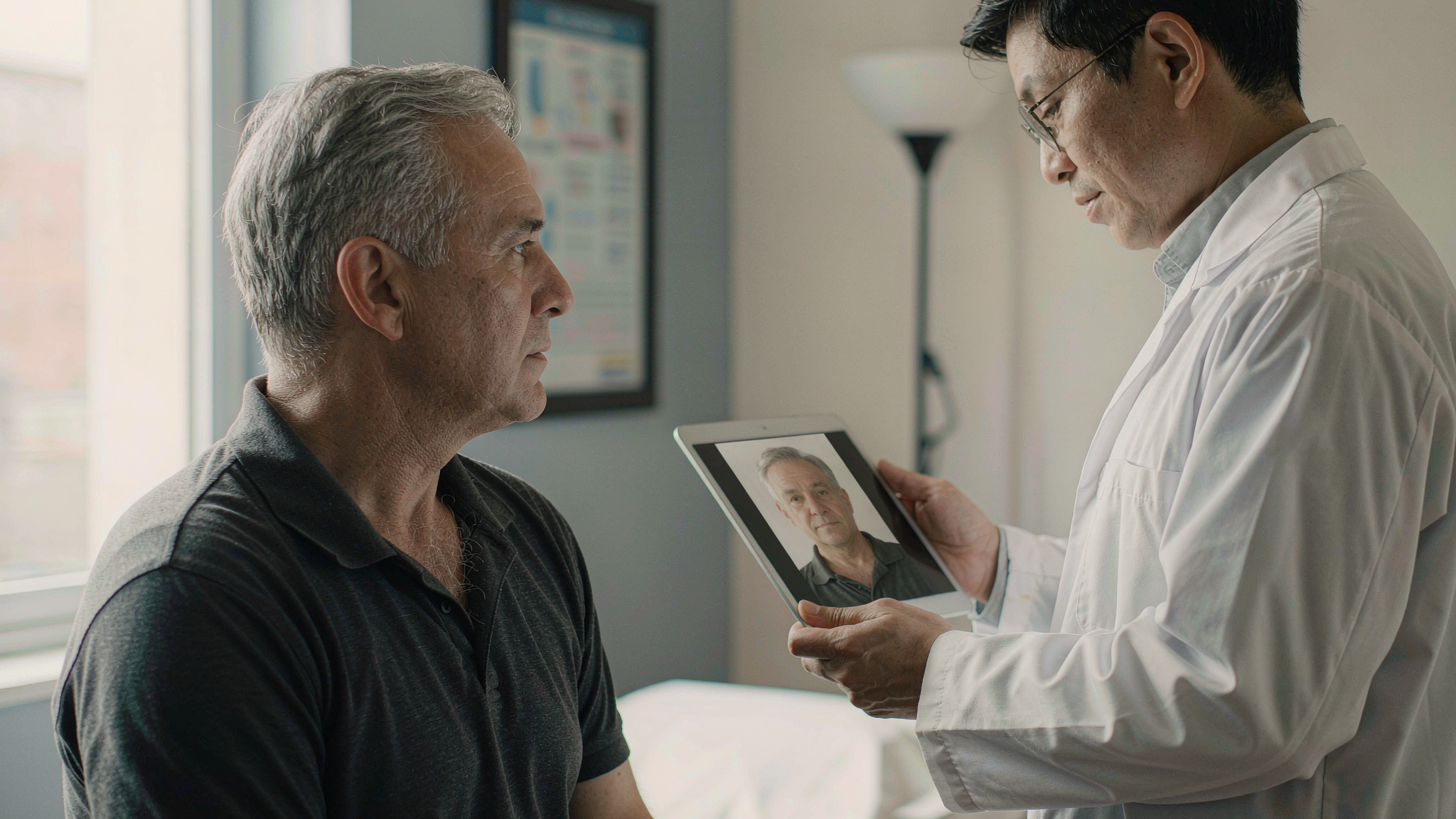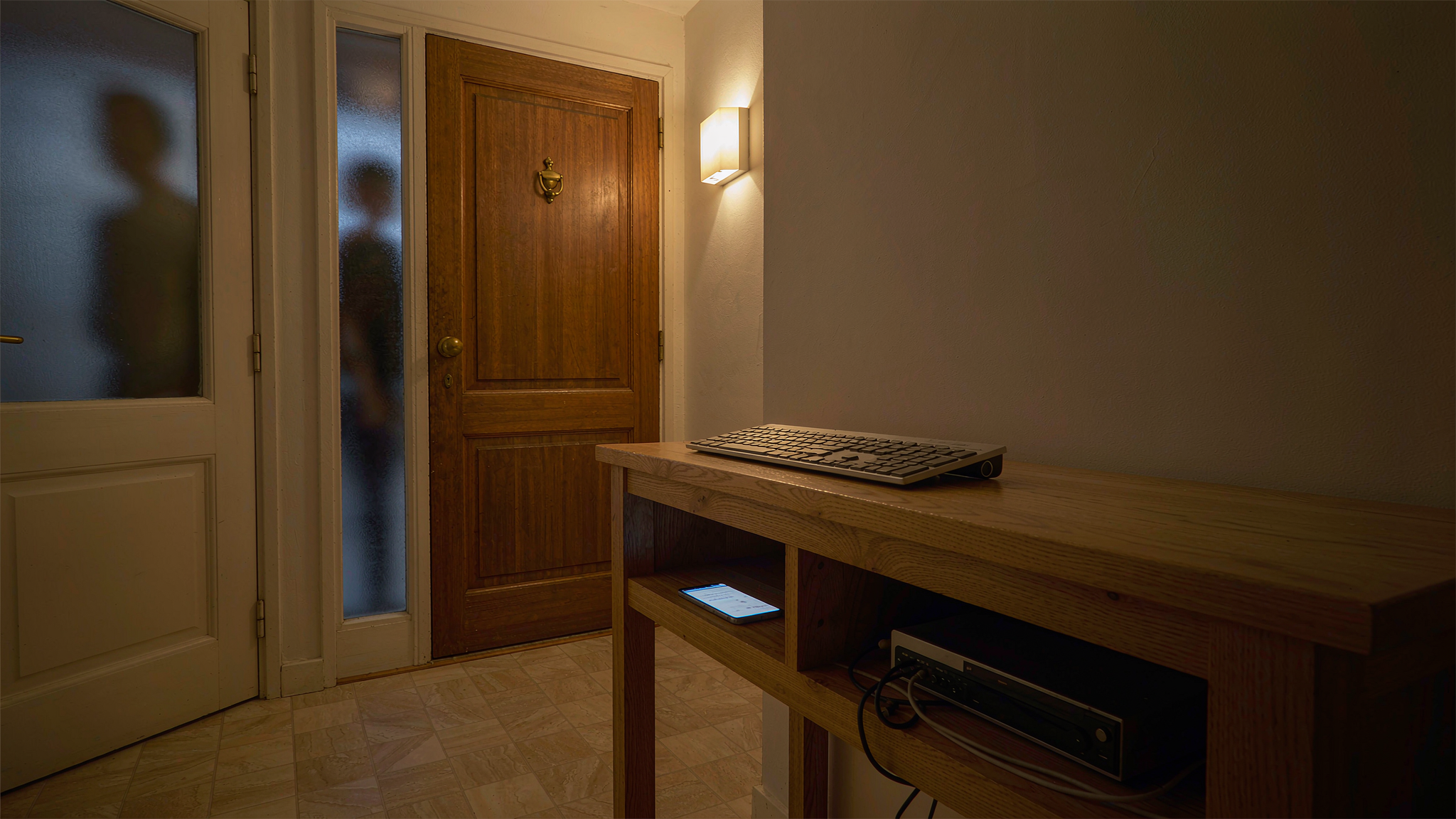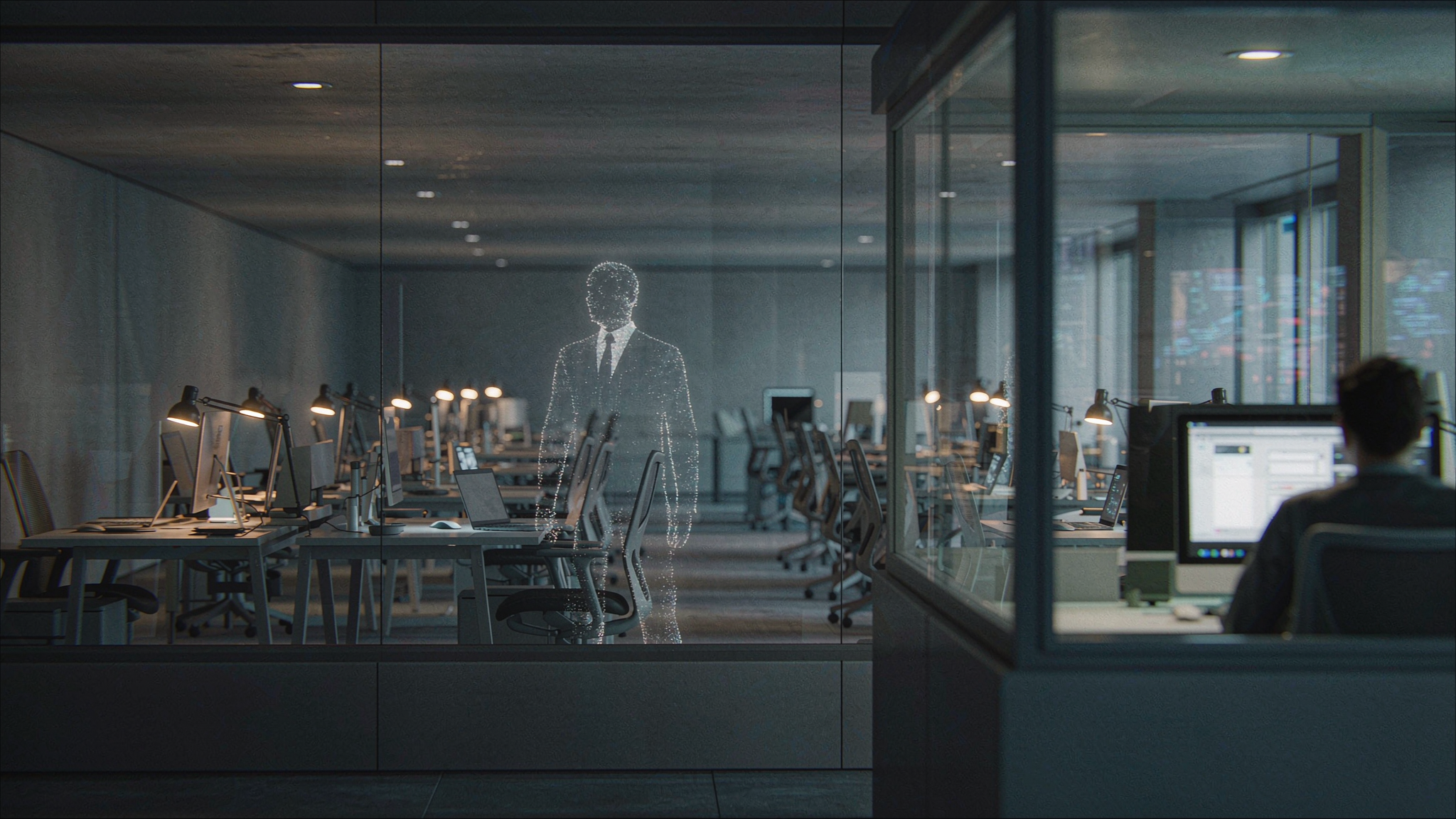


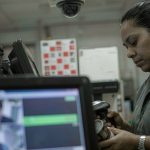




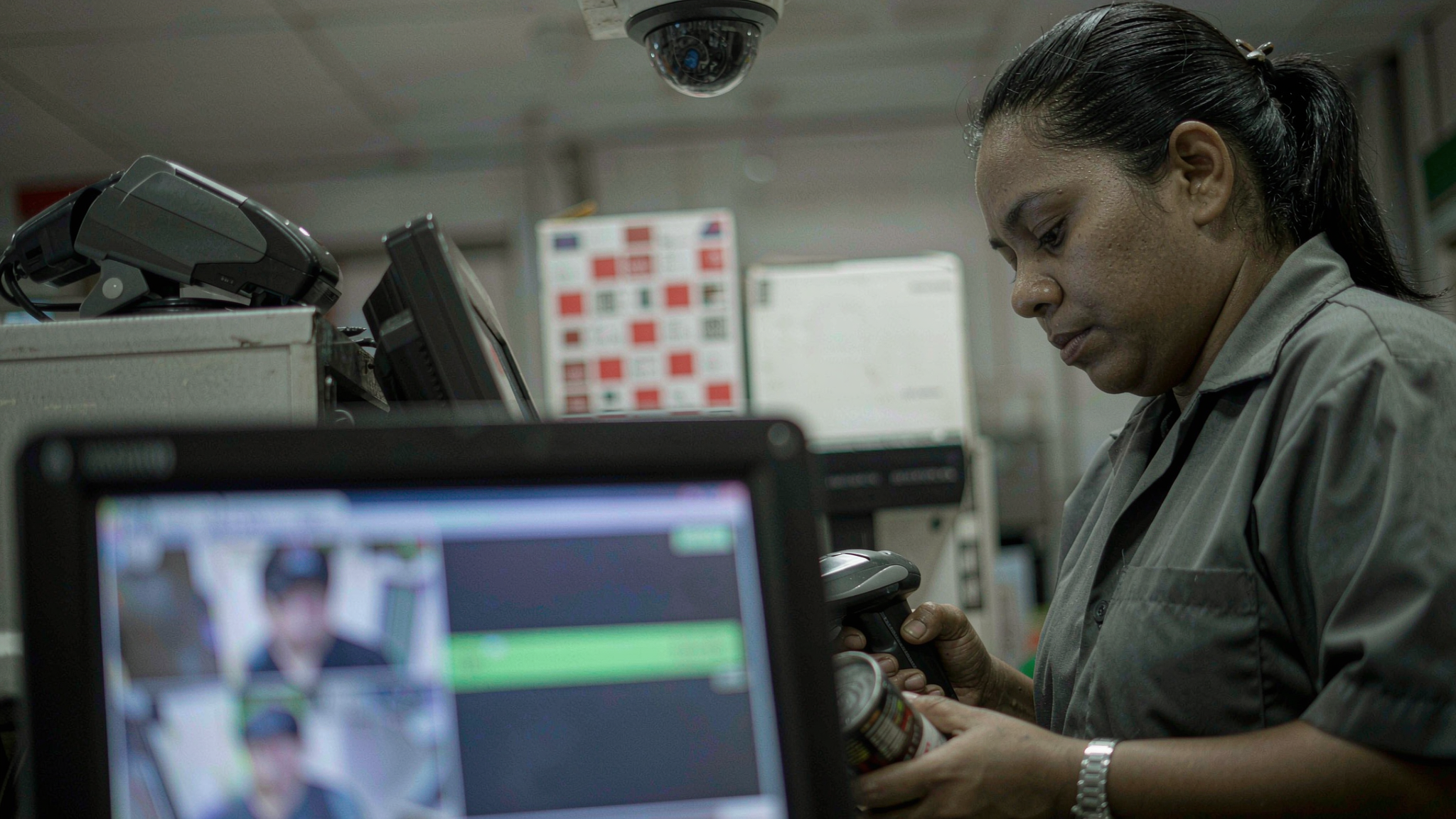
A camera that spots someone checking their phone. Software that records keystrokes. A tool that flags mistakes at the checkout. Workplace monitoring can turn ordinary moments into data used to assess an employee.
Australia’s Human Technology Institute has warned that artificial intelligence is accelerating employers’ use of these technologies. According to reporting by The Guardian, monitoring spans factories, offices, delivery work, and retail, sometimes without employees being informed.
The warning has renewed calls for stronger workplace privacy protections. The issue goes beyond having a camera overhead: what matters is what gets recorded, what conclusions are drawn, and what happens next.
From phone use to checkout mistakes
Examples the institute provided to the newspaper include a fast-food restaurant using surveillance cameras to stop employees from using their phones. Another involved a cashier who received a warning after AI tracking recorded one mistake for every 533 scans.
That figure highlights a broader problem: precise measurement does not necessarily mean fair evaluation. An isolated number cannot explain workload, interruptions, or equipment problems. Nor can it establish, on its own, whether a warning is justified.
The available excerpt does not provide the full circumstances of those cases or responses from the employers involved. They should not be treated as a description of every workplace.
What AI changes about workplace monitoring
Cameras and activity tracking are not new, and not every monitoring system uses AI. What the technology can change is how easily large amounts of information can be analyzed and patterns identified without someone reviewing everything manually.
For employees, that can make breaks, work pace, and mistakes easier to scrutinize. The risk comes when a measurement is treated as a complete explanation of someone’s performance, without considering what was happening around them.
The questions employees should be asking
Although the report concerns Australia, it raises useful questions for anyone who works with digital tools or under cameras:
- What information is the employer collecting, and why?
- Who can access it, and how long is it kept?
- Is it used for performance reviews or disciplinary decisions?
- Can an employee explain the circumstances or challenge an incorrect conclusion?
These are questions about transparency and safeguards, not a statement that workers have identical rights everywhere. Specific legal obligations depend on the jurisdiction.
Oversight still needs context
Employers may have legitimate reasons to monitor operations, including improving safety or identifying problems. That does not automatically settle how much monitoring is reasonable or which uses of employee data are proportionate.
The Australian debate brings that distinction into focus. Technology that makes more surveillance possible does not make every use of it justified. And a system that identifies a mistake should not make the person behind it disappear from view.